
Kodo Millet Benefits: Nutrition, Recipes, and Health Advantages
Share
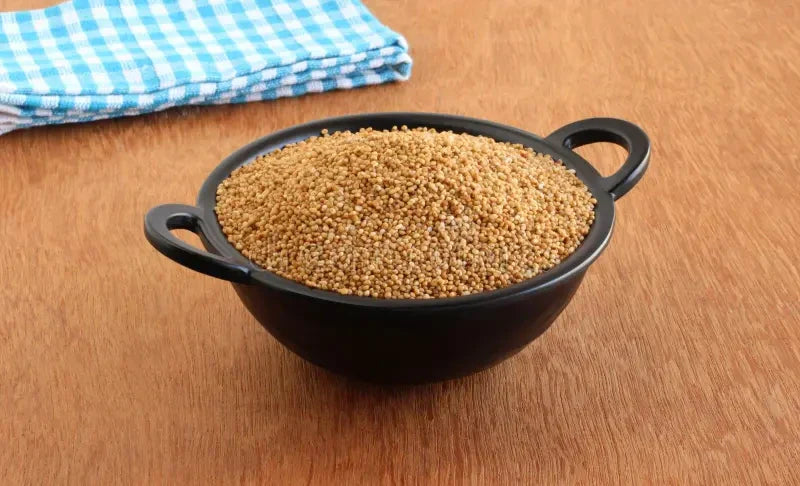
Kodo millet also called ‘varagu arisi’ in Tamil and ‘arikelu’ in Telugu is a millet grown as a major crop in the Deccan plateau of India. Like many other millets. Kodo millet is not a water-intensive plant making it a sustainable crop while also being a rich source of nutrients and essential elements like fibre, calcium, potassium, etc,. Kodo millet, while popular, has not been a daily staple until recently. As the popularity of millets has seen a rise in recent years, so has the inclusion of kodo millet in everyday recipes. Want to know how including this superfood in your routine can benefit you? Let’s find out.
What is Kodo Millet?
Scientifically known as Paspalum scrobiculatum, Kodo millet belongs to the grass family of Poaceae. It is grown across many parts of Asia and Africa. It can tolerate poor-nutrient conditions, and semi-arid regions, making it suitable for growing across various regions of the world. Owing to its versatility, kodo millet can be used across various cuisines and substituted for rice and wheat based products.
Nutritional Profile of Kodo Millet
Nutrient information per 100g of Kodo Millets:
|
Nutrient |
Amount |
|
Energy (Kcal) |
302 |
|
Protein |
8.03 g |
|
Carbohydrate |
69.9 g |
|
Crude Fiber |
8.5 mg |
|
Calcium |
22.0 mg |
|
Iron |
9.9 mg |
Apart from the above nutrient, Kodo millet is also abundant in polyphenols, an antioxidant that helps in fighting free radicals and preventing oxidative stress on the body. This makes it a good source of food for those with cardiovascular diseases.
Health Benefits of Kodo Millet
Diabetes Management
- The low glycemic index of Kodo millet helps regulate blood sugar levels effectively.
- It’s a great alternative to rice and wheat for those with diabetic disorders.
Weight Loss
- Kodo millet’s high fiber content keeps you fuller for longer, reducing overall calorie intake.
- It supports metabolic activity, promoting fat loss.
Digestive Health
- Its prebiotic fiber promotes gut health and helps alleviate digestive issues like constipation and bloating.
Heart and Kidney Health
- Potassium and magnesium content in Kodo millet support heart health and reduce bad cholesterol.
- Low potassium levels make it a safe option for kidney patients.
Bone and Hair Health
- High calcium levels improve bone density, while zinc and iron strengthen hair and promote growth.
Potential Cancer Prevention
- Antioxidants like polyphenols and flavonoids in Kodo millet combat free radicals, potentially reducing cancer risk.
Uses of Kodo Millet
Culinary Uses
Kodo millet is versatile and can be included in both Indian and international cuisines. Some of the popular Indian traditional dishes that can be prepared out of kodo millet include kodo millet idli, dosa, pulao, khichdi, puttu, seviyan, laddoo, murukku, etc, Beyond Indian dishes, Kodo millet usage is not limited to Indian recipes, It can also be incorporated into salads, porridge, cakes, cookies, and pancakes.
Kodo Millet Recipes you could try:
1. Kodo Millet Puttu
- Ingredients: 1 cup Kodo millet flour, 1/2 cup grated coconut, water, and a pinch of salt.
- Instructions:
- Roast Kodo millet flour lightly and let it cool.
- Add a pinch of salt and sprinkle water gradually to make a crumbly mixture. It should hold its shape when pressed but not form a dough.
- In a puttu maker, layer grated coconut and millet mixture alternately.
- Steam for 10–12 minutes.
- Serve with banana and jaggery or kadala curry.
2. Kodo Millet Porridge (Sweet or Savory)
- Ingredients (Sweet): 1/2 cup Kodo millet, 2 cups milk (or plant-based alternative), jaggery or honey, and nuts.
- Ingredients (Savory): 1/2 cup Kodo millet, 2 cups water, salt, pepper, and a pinch of turmeric.
- Instructions:
- Cook millet in water or milk until soft.
- For sweet, add jaggery or honey and top with nuts.
- For savory, season with salt, pepper, and turmeric. Garnish with coriander leaves. For a nutritious option, try our Omega 3 Rich Seeds Laddu.
3. Kodo Millet Pancakes
- Ingredients: 1 cup Kodo millet flour, 1/4 cup rice flour, 1 cup buttermilk, green chilies, onion, coriander, salt, and oil for cooking.
- Instructions:
- Mix all ingredients into a batter.
- Pour onto a hot pan and spread like a pancake.
- Cook on both sides until golden brown.
- Serve with mint chutney or yogurt.
For recipes like Kodo millet idli, check out our Millet Maagic Meal’s secret recipe.
Side Effects and Precautions
- Anyone prone to kidney stones should consume kodo millet in moderation as it can cause possible kidney stone formation.
- Further, overconsumption of kodo millet can lead to digestive issues like bloating and gas due to high fibre content in the millets.
- Those with potassium sensitivity should also be mindful of consuming kodo millet as it is rich in potassium.
- Millets in general are considered goitrogenic meaning they impact the functioning of the thyroid gland. So those with conditions like hypothyroidism or hyperthyroidism should be mindful of their millet intake.
FAQs
-
What is Kodo millet, and why is it popular?
Kodo millet is a nutritious, gluten-free grain known for its high fiber, protein, and antioxidant content, making it ideal for modern healthy diets. -
Is Kodo millet good for diabetics?
Yes, Kodo millet has a low glycemic index, which helps maintain steady blood sugar levels, making it suitable for people with diabetes. -
How can I use Kodo millet in cooking?
Kodo millet is versatile—use it for porridge, upma, salads, fried rice, or even desserts like kheer and puddings. -
What are the side effects of Kodo millet?
Overconsumption may cause digestive discomfort. People with thyroid conditions should consume it in moderation due to goitrogens. -
How does Kodo millet benefit weight loss?
Its high fiber content keeps you full longer, curbs hunger pangs, and supports healthy weight management.
Liked this recipe? Follow our other blogs for awesome and healthy millet recipes and benefits!
Check out our range of gluten free, healthy millet delights here.